Spirituality of Bhutan
The Buddha
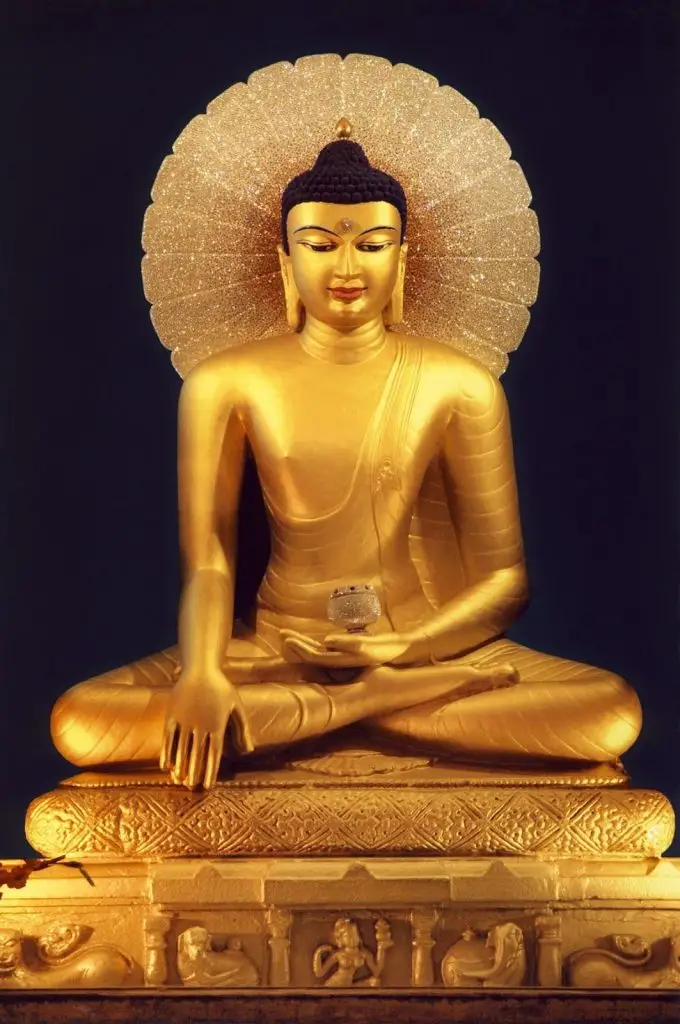
Siddhartha Gautama, the Buddha, lived in northern India more than 2,500 years ago. Born as a prince, he left behind a life of comfort in search of an answer to the suffering experienced by all living beings. After years of study and meditation, he attained enlightenment beneath the Bodhi Tree at Bodh Gaya, becoming the Buddha, meaning “the Awakened One.”
For the rest of his life, the Buddha travelled throughout northern India, teaching the path to liberation from suffering. His teachings, known as the Dharma, became the foundation of Buddhism and eventually spread across Asia.
Although the Buddha himself never visited Bhutan, his teachings are at the very heart of Bhutanese spiritual life. Centuries after his passing, Buddhism reached the Himalayan regions and eventually became deeply rooted in Bhutan through the great masters, teachers, and treasure revealers who brought and preserved his teachings.
Today, the Buddha’s presence can be felt throughout Bhutan—in its temples, monasteries, sacred mountains, meditation caves, statues, paintings, and the daily practices of its people. For visitors travelling through Bhutan, understanding the story of the Buddha provides a meaningful starting point for understanding the country’s spiritual heritage.
The journey of Buddhism in Bhutan may have begun long after the Buddha’s lifetime, but the path he revealed more than 2,500 years ago remains the foundation upon which Bhutan’s sacred landscape was built.
Guru Padmasambhava
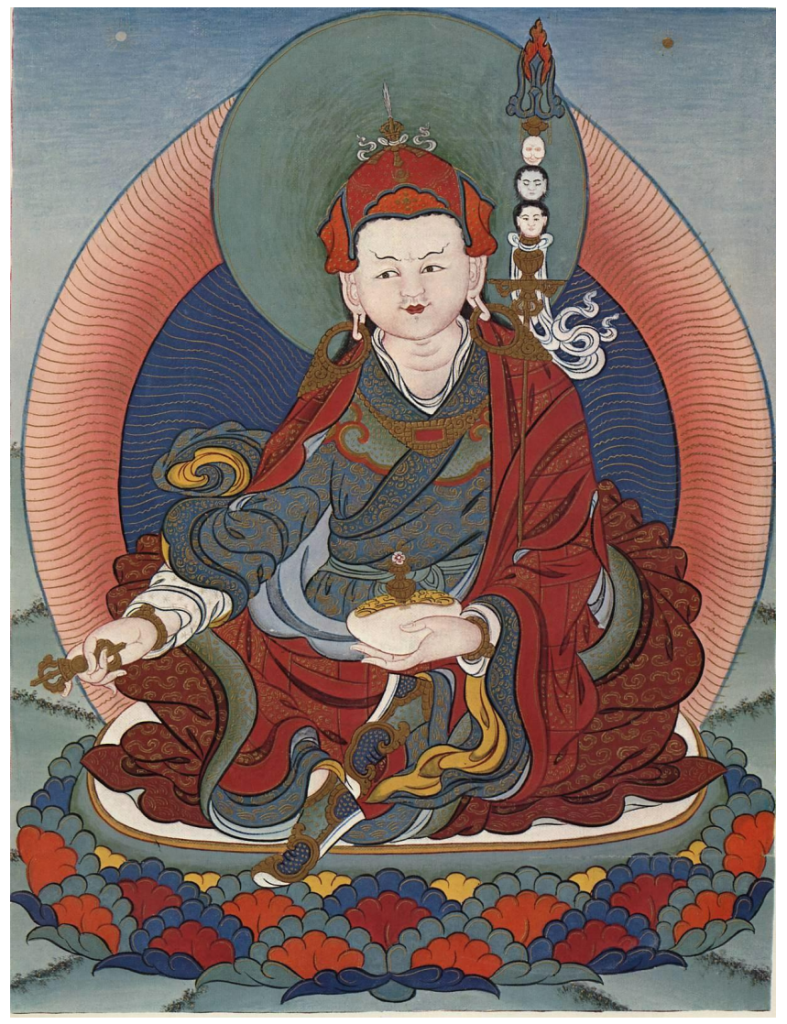
Guru Rinpoche, also known as Padmasambhava, meaning “Lotus-Born,” is one of the most revered figures in Bhutanese Buddhism. He was a great Buddhist master from the Indian subcontinent who played a major role in establishing Vajrayana Buddhism in the Himalayan region. In Bhutan, he is regarded as the Second Buddha, and his teachings and blessings are deeply woven into the country’s spiritual heritage.
According to Bhutanese tradition, Guru Rinpoche visited Bhutan on several occasions during the eighth century. He travelled through many parts of the country, subduing obstacles, blessing sacred places, teaching his disciples, and concealing spiritual treasures (terma) to be revealed by enlightened treasure discoverers in later generations.
Among all the places associated with Guru Rinpoche, Paro Taktsang (Tiger’s Nest) is the most famous. Perched high on a cliff above the Paro Valley, it is believed to be the cave where Guru Rinpoche meditated after arriving on the back of a tigress. The monastery built around the sacred cave has become one of Bhutan’s most important pilgrimage destinations.
In Bumthang, Guru Rinpoche is closely associated with Kurjey Lhakhang, where he is believed to have meditated and left the imprint of his body on a rock. The name “Kurjey” means “body imprint,” and the sacred imprint can still be seen inside the temple.
Other important places connected with Guru Rinpoche include Nabji Korphu, traditionally regarded as the place where he first entered Bhutan; Tang Rimochen, Thowadrak, and Kunzangdrak in Bumthang; Mebar Tsho, where sacred treasures associated with him were later revealed by Pema Lingpa; and Gomphu Kora, Aja Ney, and Singye Dzong in eastern Bhutan.
For visitors, following the sacred places of Guru Rinpoche offers a journey through the origins of Bhutanese Buddhism. From the cliffs of Taktsang to the caves of Kurjey and the remote sacred valleys of eastern Bhutan, these places preserve the stories of a master whose spiritual legacy continues to shape Bhutan to this day.
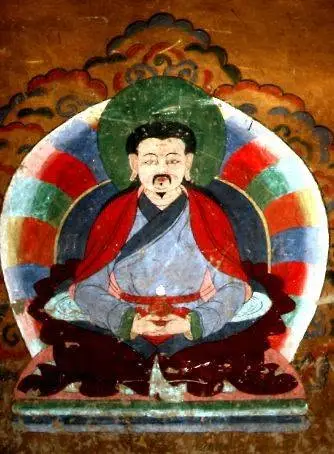
Longchenpa
Longchenpa (1308–1364), also known as Longchen Rabjam, was one of the greatest scholars, yogis, and masters of the Nyingma tradition of Tibetan Buddhism. He is especially renowned for his teachings on Dzogchen, or the Great Perfection, which he explained clearly and systematically. His writings, including the famous Seven Treasuries, remain among the most important works of the Nyingma tradition.
Born in Tibet, Longchenpa received teachings from several Buddhist traditions before dedicating himself to meditation and Dzogchen practice. Much of his life was spent travelling, teaching, meditating, and writing.
Longchenpa later came to Bumthang in Bhutan, where he remained for about ten years. During this time, he founded several small monasteries and established Tharpaling Monastery as his principal seat. His stay in Bhutan became an important part of his life, and his religious lineage continues in the country.
Bhutan is traditionally said to have eight major sacred sites associated with Longchenpa. These sites are found in different parts of the country and are connected with his meditation, teachings, blessings, and spiritual activities.
The most important of these is Tharpaling Monastery, located high in the mountains of Bumthang. It remains a significant centre of meditation and pilgrimage and is closely connected with Longchenpa’s teachings and legacy.
Other sacred places associated with him include Kuenzangling Lhakhang in Kurtoe, Lhuentse, where visitors can see a footprint traditionally attributed to Longchenpa in a meditation hermitage. Nearby Rinchen Bumpa, meaning “Vase of Jewels,” is another sacred site believed to have been blessed by him.
Longchenpa eventually returned to Tibet, where he continued to teach and write until his death. His influence remains strong in Bhutan through the eight major sacred sites associated with him and through the Nyingma and Dzogchen traditions that continue to flourish today.
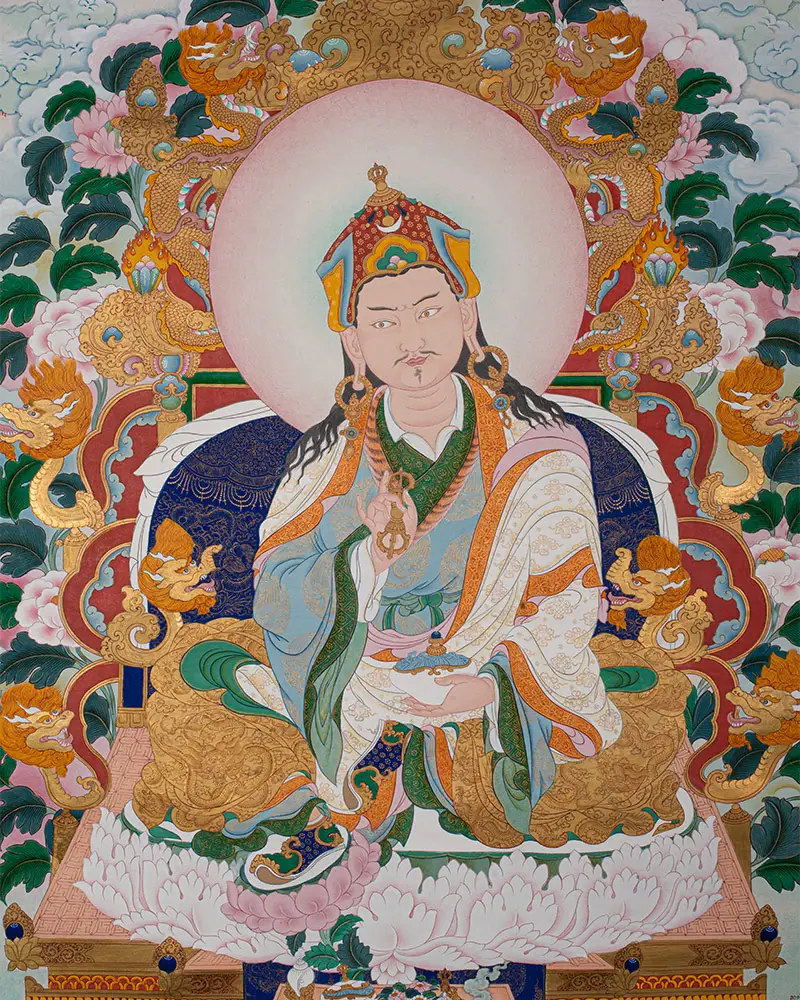
Pema Lingpa
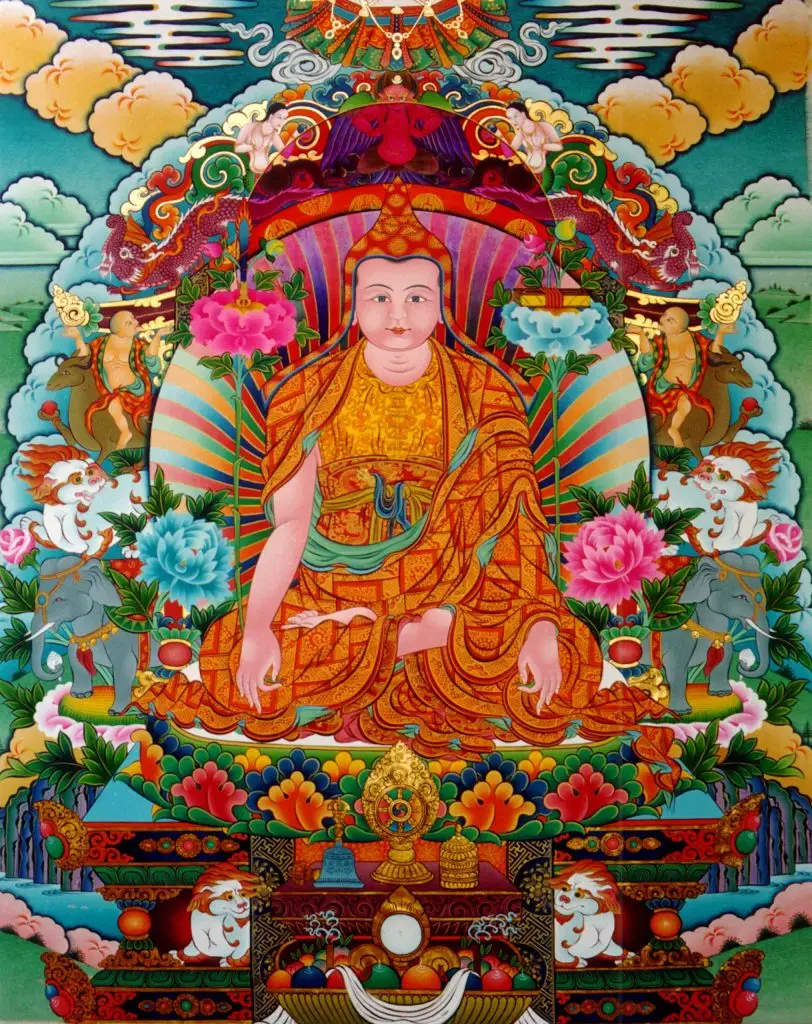
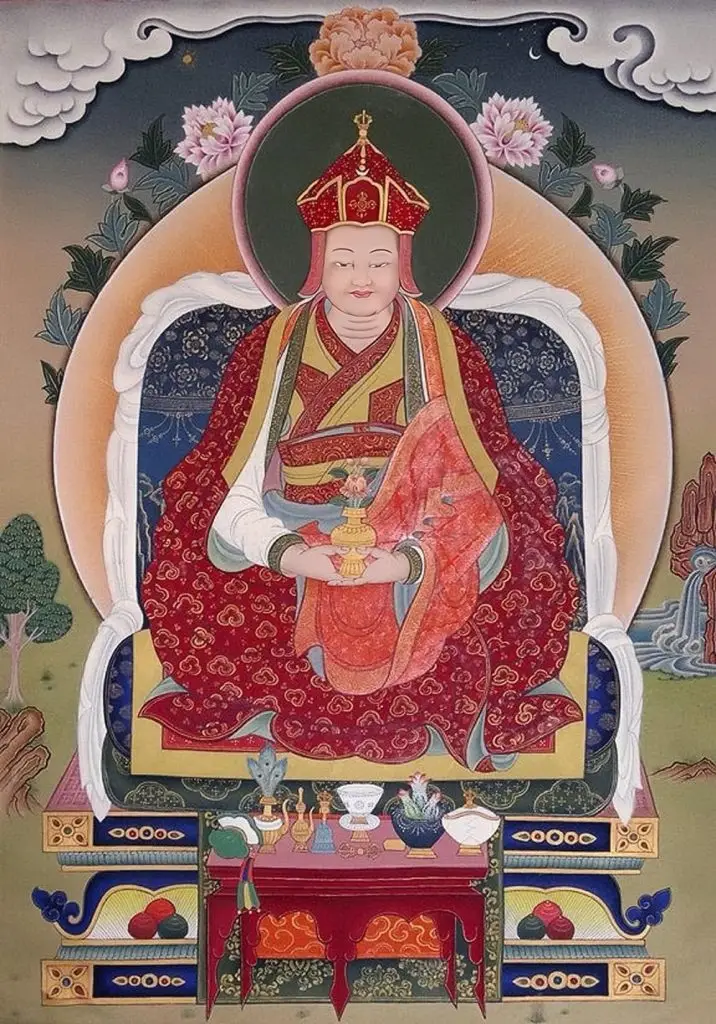
Pema Lingpa (1450–1521) was one of Bhutan’s greatest Buddhist masters and treasure revealers (tertön). He played an important role in shaping Bhutan’s religious and cultural traditions, and his teachings continue through the Peling tradition.
Pema Lingpa was born at Baribrang in the Tang Valley of Bumthang. From an early age, he showed remarkable skill in religious practice, craftsmanship, and spiritual teachings. He later became famous for discovering sacred treasures (terma) believed to have been hidden by Guru Rinpoche for future generations.
One of the most famous places connected with him is Mebar Tsho (Burning Lake) in the Tang Valley. According to tradition, Pema Lingpa entered the lake carrying a burning lamp and returned with sacred treasures while the lamp remained alight. Today, Mebar Tsho is an important pilgrimage site.
Other places associated with his life include Kunzangdrak, a sacred meditation site in the Tang Valley, and Tamzhing Lhündrup Monastery, which Pema Lingpa founded in 1501. Tamzhing remains one of the most important centres of his tradition and preserves many historic religious paintings and sacred objects.
Pema Lingpa’s religious legacy later spread to other parts of Bhutan. Gangtey Monastery in Phobjikha became the principal centre of the Gangteng Peling tradition, which traces its lineage back to him.
Today, visitors and pilgrims can follow Pema Lingpa’s legacy through important sites such as Baribrang, Mebar Tsho, Kunzangdrak, Tamzhing, and Gangtey. Together, these places offer a glimpse into the life, spiritual achievements, and enduring influence of one of Bhutan’s most important Buddhist masters.
Zhabdrung Ngawang Namgyal
Zhabdrung Ngawang Namgyal (1594–1651) was a great Drukpa Kagyu Buddhist master and the founder of the unified Bhutanese state. Revered as the Zhabdrung Rinpoche, he brought the different regions of Bhutan together in the seventeenth century and established the foundations of Bhutan’s religious, political, and cultural identity.
Born at Ralung Monastery in Tibet, Ngawang Namgyal was recognized as the reincarnation of the great Drukpa master Pema Karpo. In 1616, he travelled from Tibet to Bhutan and established his base in the western part of the country. He first settled in Gasa and later founded Chagri Monastery at the head of the Thimphu Valley.
One of the most important monuments associated with him is Simtokha Dzong, built in 1629 at the entrance to the Thimphu Valley. It became an important centre of administration and religion and helped him establish control over the routes connecting western and central Bhutan.
Zhabdrung gradually united the different regions and established a system of government that combined religious and secular authority. He also encouraged a distinct Bhutanese identity through religion, architecture, art, customs, and law. His system of government became known as the dual system of governance.
Another major monument of his legacy is Punakha Dzong, built between 1637 and 1638 at the confluence of the Pho Chhu and Mo Chhu rivers. It became the centre of government and one of the most important religious institutions in Bhutan. Zhabdrung spent his final years there and passed away in 1651.
Today, visitors can follow the story of Zhabdrung Ngawang Namgyal through important places such as Gasa, Chagri Monastery, Simtokha Dzong, and Punakha Dzong. These sites offer a glimpse into the life of the spiritual master who unified Bhutan and laid the foundations of the country as we know it today.
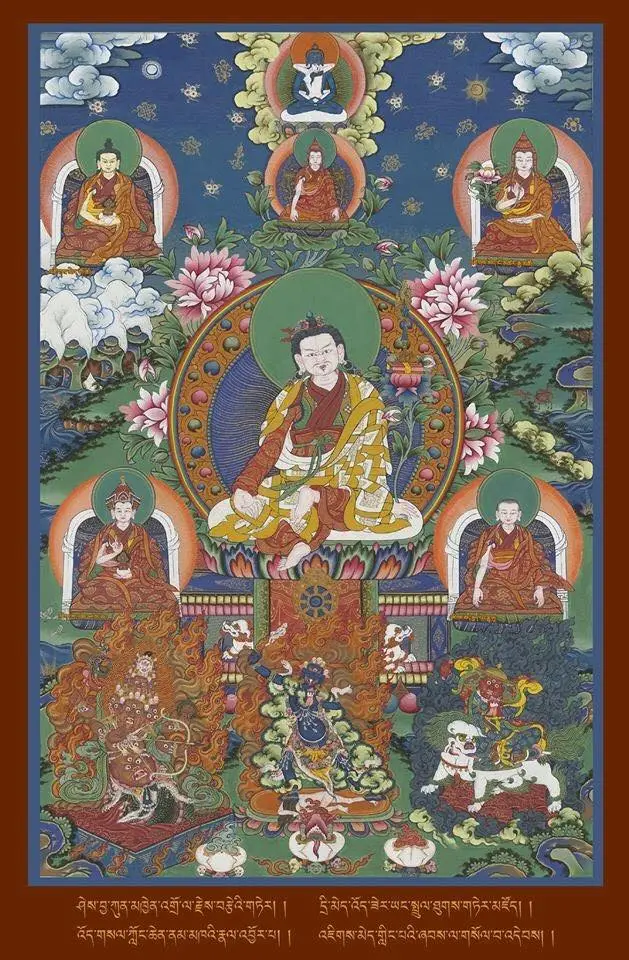
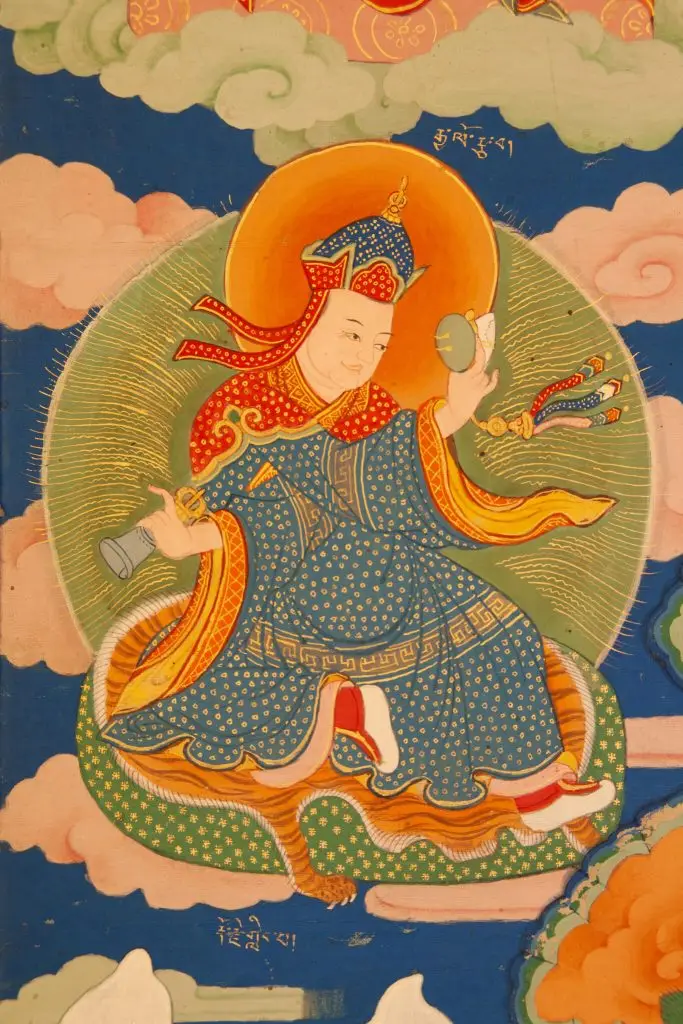
Jigme Lingpa
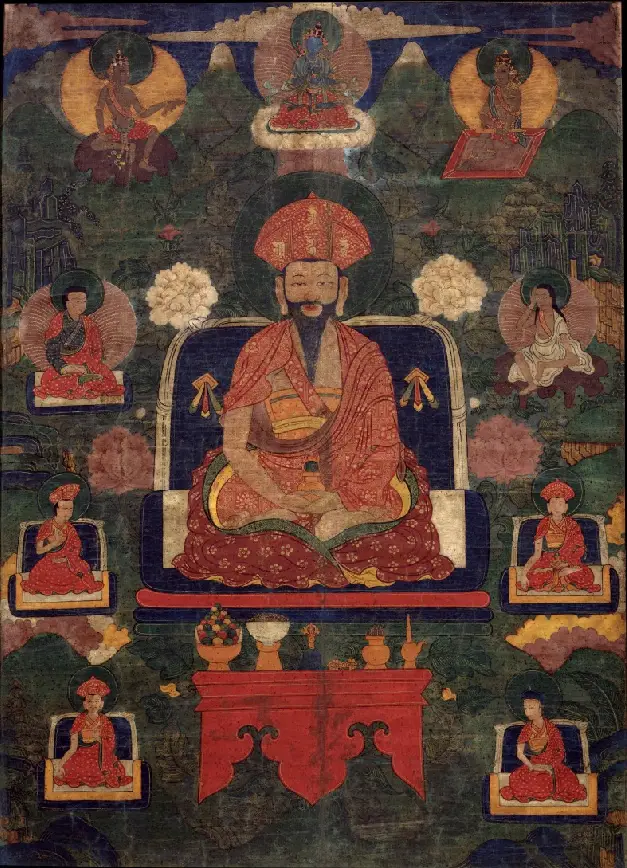
Jigme Lingpa (1730–1798) was one of the greatest masters and treasure revealers of the Nyingma tradition of Tibetan Buddhism. Also known as Khyentse Özer, he was a renowned scholar and visionary who played an important role in preserving and spreading the teachings of Longchenpa.
Through a series of profound visions of Longchenpa, Jigme Lingpa received the teachings of the Longchen Nyingtik, meaning the “Heart Essence of the Vast Expanse.” These teachings became one of the most widely practiced traditions of Dzogchen in the Nyingma school.
Among his principal disciples was Lopön Jigme Kündröl Namgyal (1750–1825), a Bhutanese master and one of his celebrated “Four Jigmes.” Born in Bhutan, Jigme Kündröl travelled to Tibet, where he became a personal disciple of Jigme Lingpa and received the complete Longchen Nyingtik transmissions. He later returned to Bhutan and helped establish and preserve these teachings in the country.
Jigme Kündröl is closely associated with Yongla Gompa in eastern Bhutan, where a Bhutanese tradition of Longchen Nyingtik practice was established and continues to be preserved.
Although Jigme Lingpa himself lived mainly in Tibet, his teachings therefore became an important part of Bhutan’s Nyingma heritage. Through masters such as Jigme Kündröl, his spiritual legacy continues to live in Bhutan today.
Other Great Buddhist Masters and Their Sacred Places of Bhutan
Bhutan’s spiritual landscape has been shaped by generations of great Buddhist masters who travelled through the country, meditated in its mountains and valleys, and blessed many places that remain important pilgrimage sites today. Their stories are closely connected with Bhutan’s temples, monasteries, caves, and sacred landscapes.
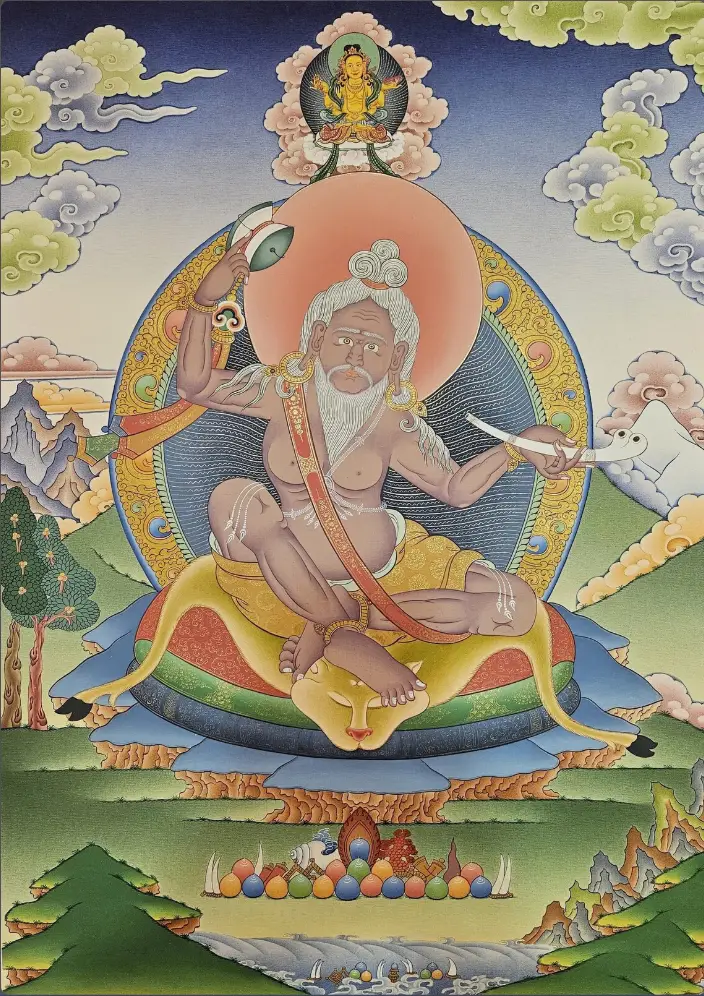
Phajo Drugom Zhigpo
Phajo Drugom Zhigpo (1184–1251) was the great master who established the Drukpa Kagyu tradition in Bhutan in the thirteenth century. He travelled from Tibet to Bhutan and founded important centres of practice in western Bhutan. Sacred places associated with him and his descendants include Phajoding, Tango, Dodeyna, Gomdra, Thujedra, and Taktshang. These sites remain important centres of Drukpa Kagyu practice and pilgrimage.
Drukpa Kunley
Drukpa Kunley (1455–1529), popularly known as the Divine Madman, was a famous Drukpa Kagyu master remembered for his unconventional teachings, humour, and spiritual freedom. His stories are deeply woven into Bhutanese culture. Among the places traditionally associated with him is Chimi Lhakhang in Punakha, which remains one of Bhutan’s best-known pilgrimage destinations.
Other Great Masters
Many other Buddhist masters also visited, meditated, or revealed treasures in Bhutan. Dorje Lingpa, Ratna Lingpa, Guru Chowang, Sherab Mebar, and Padampa Sangye are among the important figures associated with Bhutanese sacred sites. For example, Padampa Sangye is traditionally associated with meditation at Taktsang, while sacred sites around Bhutan preserve the traces and traditions of many treasure revealers and yogis.
Together, these masters created a network of sacred places stretching from the valleys of Paro and Thimphu to Bumthang, Punakha, Lhuentse, and eastern Bhutan. Visiting these places allows travellers not only to see Bhutan’s historic temples and monasteries, but also to follow the stories of the masters who shaped the country’s Buddhist heritage.